RetailTech Partner Ecosystem Management Playbook 2026
- Editorial & Research Team
- |
- Published on May 26, 2026
On this page
Share Article


- Southeast Asia’s ecommerce market crossed US$157.6 billion GMV, but the biggest retail growth opportunity in 2026 is happening beyond products and pricing.
- Modern retailers are quietly shifting from standalone platforms toward connected partner ecosystems that combine loyalty, payments, AI, and omnichannel engagement experiences.
- RetailTech ecosystems are helping brands increase transaction value, strengthen customer retention, and unlock long-term growth without depending heavily on discounts.
- From fintech and ecommerce to hospitality and quick commerce, industries worldwide are rapidly adopting ecosystem-led retail strategies to stay competitive in 2026.
- India and Southeast Asia are emerging as major RetailTech innovation hubs, where AI-powered loyalty ecosystems are reshaping how brands engage and retain customers.
According to Momentum Works, Southeast Asia’s e-commerce market crossed US$157.6 billion in GMV, growing 22.8% year-over-year. But the biggest transformation in retail is happening beyond products and pricing. Retailers are now competing through connected ecosystems that combine loyalty programs, digital payments, AI-driven engagement, ecommerce platforms, retail media, fintech integrations, and omnichannel customer experiences. In 2026, customers may discover a product through creator commerce, pay using a digital wallet, instantly earn rewards, redeem points across partner brands, and receive AI-powered personalized recommendations; all within a single seamless journey.
This is the real value of RetailTech Partner Ecosystem Management. Modern retailers are building strategic partner ecosystems to increase customer lifetime value, improve transaction frequency, strengthen retention, and unlock new revenue streams without relying heavily on discounts. Brands that fail to create connected ecosystems are already struggling to keep pace with rapidly changing customer expectations, especially across fast-growing digital markets like Southeast Asia and India.
What Is RetailTech Partner Ecosystem Management?
RetailTech Partner Ecosystem Management refers to how retailers manage technology partners, customer engagement platforms, loyalty vendors, fintech providers, marketplaces, and third-party integrations under one connected strategy.
Instead of relying on a single platform, retailers now operate through ecosystems that combine:
- Loyalty and rewards systems
- Payment technologies
- AI-driven personalization
- E-commerce marketplaces
- Customer data platforms
- Retail media networks
- Gift card and voucher engines
- CRM and omnichannel engagement tools
- Delivery and logistics partners
The goal is simple: create a seamless customer journey while increasing transaction value, customer retention, and long-term profitability.
In Southeast Asia, especially, this shift is accelerating rapidly because digital commerce is growing faster than traditional retail infrastructure.
Types of Retail Partners Powering Modern Commerce Ecosystems
Retail ecosystems are built through multiple strategic partnerships working together under one connected customer experience framework. Different retail partners solve different business challenges — from customer acquisition and engagement to loyalty, payments, fulfillment, and personalization.
Technology Partners
These include loyalty platforms, CRM systems, AI engines, customer engagement platforms, analytics providers, and omnichannel commerce technologies.
Payment & Fintech Partners
Digital wallets, payment gateways, BNPL providers, and embedded finance companies help retailers create frictionless checkout experiences.
Marketplace & Commerce Partners
E-commerce marketplaces, creator commerce platforms, quick-commerce channels, and social commerce networks help brands expand visibility and customer reach.
Loyalty & Rewards Partners
Gift card providers, cashback ecosystems, airline partnerships, hotel collaborations, and coalition loyalty providers strengthen retention and repeat purchases.
Logistics & Fulfillment Partners
Delivery providers and supply-chain technology companies help improve customer experience through faster and smarter fulfillment.
Retail Media & Advertising Partners
Retailers are increasingly collaborating with ad-tech platforms and retail media networks to monetize first-party customer data and customer traffic.
The strongest RetailTech ecosystems are built when all these partners contribute toward one seamless customer journey.
How to Build a Retail Channel Partner Program in 2026
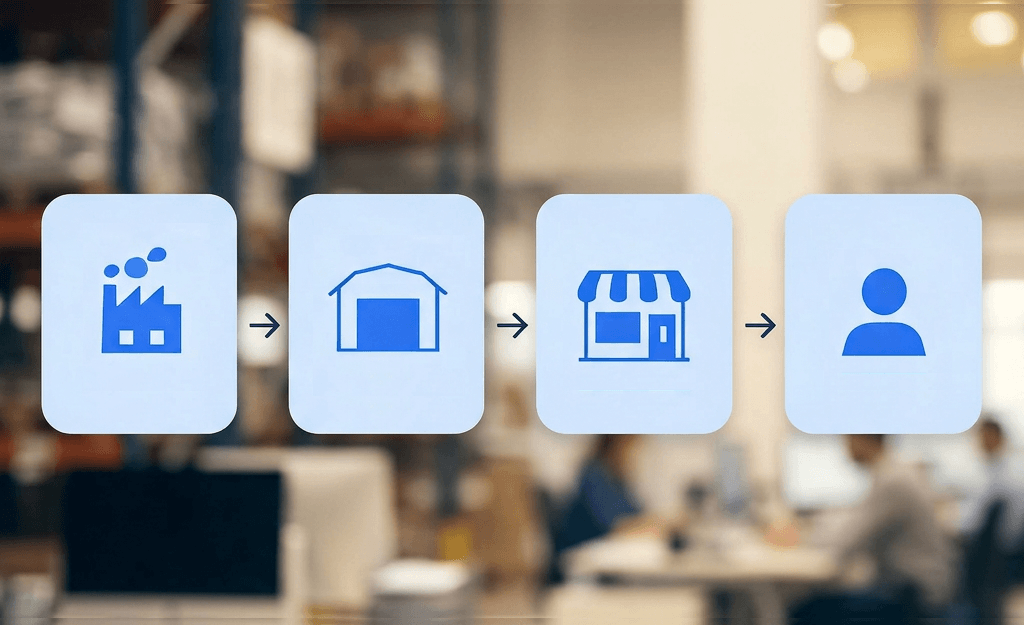
Building a successful retail channel partner program now requires much more than onboarding vendors or resellers. In 2026, the most successful retail ecosystems are built around customer engagement, shared growth, and scalable technology collaboration.
Define Clear Business Goals
Retailers must first identify whether the ecosystem objective is customer acquisition, retention, loyalty expansion, omnichannel growth, or revenue diversification.
Choose Scalable Technology Partners
Retailers should prioritize partners that support API integrations, omnichannel engagement, AI capabilities, and long-term scalability.
Create Unified Customer Experiences
Customers should experience seamless rewards, payments, communication, and personalization across every touchpoint.
Align Partner KPIs
Retailers and ecosystem partners should work toward shared performance metrics like repeat purchases, customer lifetime value, and engagement growth.
Focus on Customer Data Collaboration
Secure first-party data sharing enables better personalization, campaign optimization, and customer intelligence.
Build Flexible Reward Ecosystems
Modern customers prefer cashback, digital vouchers, wallet-based rewards, and cross-brand redemption experiences over traditional static loyalty models.
A successful retail partner program strategy is no longer just operational. It has become a long-term revenue and retention strategy.
Why Retail Partner Ecosystems Matter More in 2026
Retail ecosystems are no longer optional expansion models. They are becoming the foundation of how modern commerce operates.
Consumers today expect every interaction to feel connected. They want rewards that work everywhere, payments that happen instantly, offers that feel personalized, and experiences that move smoothly between online and offline channels.
This is why retailers across Southeast Asia, the Middle East, Europe, and North America are investing heavily in ecosystem-led growth strategies.
Instead of relying on disconnected tools, retailers are now integrating:
- Loyalty and rewards platforms
- Embedded finance and payment systems
- AI-driven personalization engines
- Ecommerce marketplaces
- Customer engagement platforms
- Retail media networks
- CRM and customer data platforms
- Gift card and voucher ecosystems
- Omnichannel communication systems
The objective is not simply operational convenience.
The objective is to increase:
- Customer retention
- Basket size
- Repeat purchases
- Customer engagement frequency
- Revenue per transaction
- Brand stickiness
- First-party customer intelligence
This is where RetailTech Partner Ecosystem Management becomes a long-term business strategy rather than just a technology investment.
The Biggest RetailTech Trends Defining 2026
1. AI Is Becoming the Core Retail Partner
AI is no longer limited to chatbots.
Retailers are now using AI for:
- Campaign optimization
- Dynamic rewards
- Personalized offers
- Fraud prevention
- Product recommendations
- Predictive customer behavior
- Inventory forecasting
Retail technology reports show that AI is moving from experimentation into operational workflows in 2026.
For retail ecosystems, this means partners must integrate AI capabilities directly into engagement and loyalty strategies
2. Loyalty Is Becoming an Ecosystem, Not a Program
Traditional points-based systems are fading.
Today’s successful retailers combine:
- Wallet-based rewards
- Coalition loyalty
- Gamification
- Tier-based engagement
- Cashback partnerships
- Digital vouchers
- Lifestyle rewards
This is where companies like Novus Loyalty are helping brands modernize engagement strategies through AI-powered loyalty ecosystems, omnichannel reward systems, and partner-driven customer experiences.
Retailers are increasingly realizing that loyalty is not just retention anymore; it is a revenue engine.
How RetailTech Partner Ecosystems Increase Transaction Value
One of the biggest reasons retailers are investing heavily in ecosystem partnerships is basket expansion.
Here’s how ecosystems increase customer spending:
| Strategy | Business Impact |
|---|---|
| Personalized offers | Higher conversion rates |
| Cross-brand partnerships | More redemption activity |
| Wallet – based rewards | Faster repeat purchases |
| Gamification | Increased engagement frequency |
| Embedded payments | Lower checkout friction |
| Marketplace integrations | Larger product discovery |
| AI recommendations | Better upselling opportunities |
In Southeast Asia, where mobile-first commerce dominates, these strategies are becoming essential rather than optional.
Key KPIs to Measure Partner Ecosystem Health
One of the biggest mistakes retailers make is measuring ecosystem success only through sales numbers. In reality, a healthy RetailTech ecosystem should improve customer engagement, operational efficiency, retention, and long-term profitability.
| KPI | Why It Matters |
|---|---|
| Customer Lifetime Value (CLV) | Measures long-term revenue generated through ecosystem engagement |
| Repeat Purchase Rate | Indicates customer retention strength |
| Average Order Value (AOV) | Tracks basket expansion |
| Redemption Rate | Measures loyalty program effectiveness |
| Partner Contribution Revenue | Shows ecosystem-driven revenue growth |
| Customer Acquisition Cost (CAC) | Measures acquisition efficiency |
| Active Loyalty Users | Indicates ecosystem engagement health |
| Cross-Channel Engagement | Tracks omnichannel performance |
| App Engagement Frequency | Reflects ecosystem stickiness |
| Net Promoter Score (NPS) | Measures customer loyalty and satisfaction |
Retailers that continuously monitor these KPIs are better positioned to optimize customer engagement and ecosystem performance.
Industries Rapidly Adopting RetailTech Ecosystems
RetailTech ecosystems are now influencing multiple industries globally:
Ecommerce
Platforms are integrating loyalty, live commerce, AI search, and creator-led shopping experiences.
Banking & Fintech
Banks are using rewards ecosystems to increase card usage and customer lifetime value.
Hospitality
Hotels are building partner-led loyalty ecosystems with airlines, restaurants, and travel providers.
Grocery & Quick Commerce
Retailers are using AI-driven personalization and hyperlocal partnerships to drive repeat transactions.
Fashion & Lifestyle
Brands are combining influencer commerce, gamification, and retail media for customer acquisition.
The Biggest Challenges Retailers Face in 2026
Despite the opportunities, ecosystem management comes with challenges.
Data Fragmentation
Different platforms often operate independently, creating disconnected customer insights.
Integration Complexity
Retailers struggle to connect loyalty, payments, CRM, and e-commerce systems smoothly.
Rising Marketplace Costs
Many Southeast Asian sellers now face increasing platform fees and margin pressure.
Customer Retention Pressure
Acquiring customers is becoming more expensive, forcing retailers to focus heavily on retention.
Security & Fraud Risks
As ecosystems grow, fraud prevention and secure data management become critical priorities.
The Smartest Retail Partner Program Strategies for 2026
A successful retail partner program strategy in 2026 depends on long-term ecosystem thinking.
The strongest brands are focusing on:
Unified Customer Experience
Customers should move smoothly across apps, websites, stores, wallets, and partner channels.
Data Collaboration
Retailers must share actionable customer insights securely across ecosystem partners.
Omnichannel Loyalty
Rewards should work online, offline, mobile, and through third-party platforms.
Embedded Commerce
Payments, rewards, and engagement should happen naturally inside the buying journey.
Scalable Partnerships
Retailers should choose partners that support rapid regional expansion.
Why Southeast Asia Is Leading the Ecosystem Commerce Boom
Southeast Asia has become one of the most dynamic retail technology markets globally because of:
- Mobile-first consumers
- Rapid e-commerce adoption
- Growing fintech ecosystems
- Young digital populations
- Strong creator commerce culture
- Rising AI adoption
Countries like Indonesia, Thailand, Vietnam, Malaysia, Singapore, and the Philippines are rapidly redefining how ecosystem commerce works.
Retailers that fail to adapt risk losing relevance in an increasingly connected market.
RetailTech Partner Ecosystem in India
India is rapidly becoming one of the world’s fastest-growing RetailTech ecosystem markets. With the expansion of UPI, digital wallets, ecommerce, quick commerce, and AI-powered retail experiences, Indian retailers are investing heavily in ecosystem-driven commerce strategies.
Several factors are accelerating this transformation:
- Rapid smartphone adoption
- Growth of digital payments and UPI
- Expansion of quick-commerce platforms
- Rising demand for omnichannel retail
- AI-driven personalization growth
- Increasing focus on customer retention
Indian retailers are now integrating:
- Wallet-based loyalty systems
- QR-driven engagement
- Embedded finance
- AI-powered recommendations
- Omnichannel customer journeys
- Partner-led rewards ecosystems
As customer acquisition costs continue rising, brands across India are shifting toward retention-led growth powered by ecosystem partnerships and loyalty-driven engagement models.
This is where companies like Novus Loyalty are helping brands modernize customer engagement through scalable loyalty ecosystems, AI-driven rewards, and omnichannel retention strategies designed for the future of connected commerce.
Final Thoughts
The future of retail is shifting from platform-led commerce to ecosystem-driven growth. In 2026, the retailers leading the market will not necessarily be the ones selling the most products, but the ones building stronger partnerships, smarter loyalty ecosystems, and seamless omnichannel customer experiences. RetailTech Partner Ecosystem Management is rapidly becoming a key growth strategy for brands looking to increase retention, engagement, and long-term profitability.
As digital commerce continues to evolve, businesses investing in AI-powered loyalty, connected customer journeys, and ecosystem partnerships will shape the next era of retail innovation. Companies like Novus Loyalty are helping brands modernize customer engagement through scalable loyalty ecosystems and data-driven retention strategies built for the future of connected commerce.
Explore Retail Loyalty
Launch omnichannel loyalty programs to increase repeat visits.