Manual vs Automated Loyalty Program: Why GCC Businesses Save 30 – 40% with Automation
- Editorial & Research Team
- |
- Published on March 3, 2026
On this page
Share Article


- Manual loyalty scales with headcount. Automated Loyalty Program scales with systems, unlocking 30–40% efficiency gains without proportional cost expansion.
- Hidden operational leakage, from approvals to reconciliations, silently drains margins in manual setups, especially across multi-country GCC operations.
- In regulated markets like the United Arab Emirates and Saudi Arabia, automation isn’t just efficiency; it’s governance, audit control, and financial visibility.
- Reward leakage, delayed redemptions, and fragmented reporting may seem minor, but at enterprise scale, they compound into significant financial risk.
- In fast-growing GCC economies aligned with Saudi Vision 2030, loyalty automation is shifting from competitive advantage to strategic necessity.
Did you know? The loyalty program market in the Middle East is expected to nearly double by 2029 — from around $3.27B in 2025 to $5.49B by 2029 — driven mainly by digital and automated loyalty experiences, not manual systems.
That’s right — in less than 5 years, enterprises that embrace automation in loyalty operations are projected to unlock faster engagement, deeper personalization, and 30–40% operational cost savings compared with legacy manual setups. In a region where mobile adoption exceeds 90% and digital transformation accelerates, brands must modernize their loyalty stack or risk falling behind.
Let’s break this down — simply, clearly, and honestly — so that executives, loyalty managers, and anyone curious can understand exactly why automated loyalty programs are the future and how the shift can meaningfully impact ROI.
Manual Loyalty Programs: What You See vs What Actually Happens
On the surface, a manual loyalty program looks structured. Points are tracked. Campaigns are announced. Rewards are distributed. Reports are shared.
But look closer.
Behind the scenes, it often runs on:
- Excel sheets updated late at night
- Email threads for approvals
- WhatsApp messages for “urgent exceptions”
- Finance teams reconciling mismatched numbers
- Operations teams managing daily escalations
A manual loyalty program is not just a traditional system — it is a people-dependent system. Every activity requires human intervention:
- Claim validations
- Eligibility checks
- Reward calculations
- Approvals
- Exception handling
At a small scale, this feels manageable. At enterprise scale, it becomes fragile.
The biggest issue? It does not scale with growth. It scales with headcount. And that is where the hidden 30–40% inefficiency begins.
Common Problems with Manual Loyalty Systems
| Issue | Impact |
|---|---|
| Human errors (data entry, points mismatch) | Miscalculation → lost trust |
| No real-time tracking | Delayed engagement |
| High admin load | More labor costs |
| Generic rewards | Lower redemption & retention |
| Limited insights | No data-driven decisions |
According to industry estimates, manual processes can waste 15+ hours per week on administrative tasks — not even counting errors and disputes.
That’s hours your team could be using to design better customer journeys.
The Silent Drain: Time Leakage Across Teams
Manual loyalty doesn’t just cost money. It costs momentum.
In manual systems:
- Approvals take days instead of minutes
- Campaigns are delayed due to operational readiness
- Redemptions stay pending
- Escalations pile up faster than they are resolved
A never-ending loop:
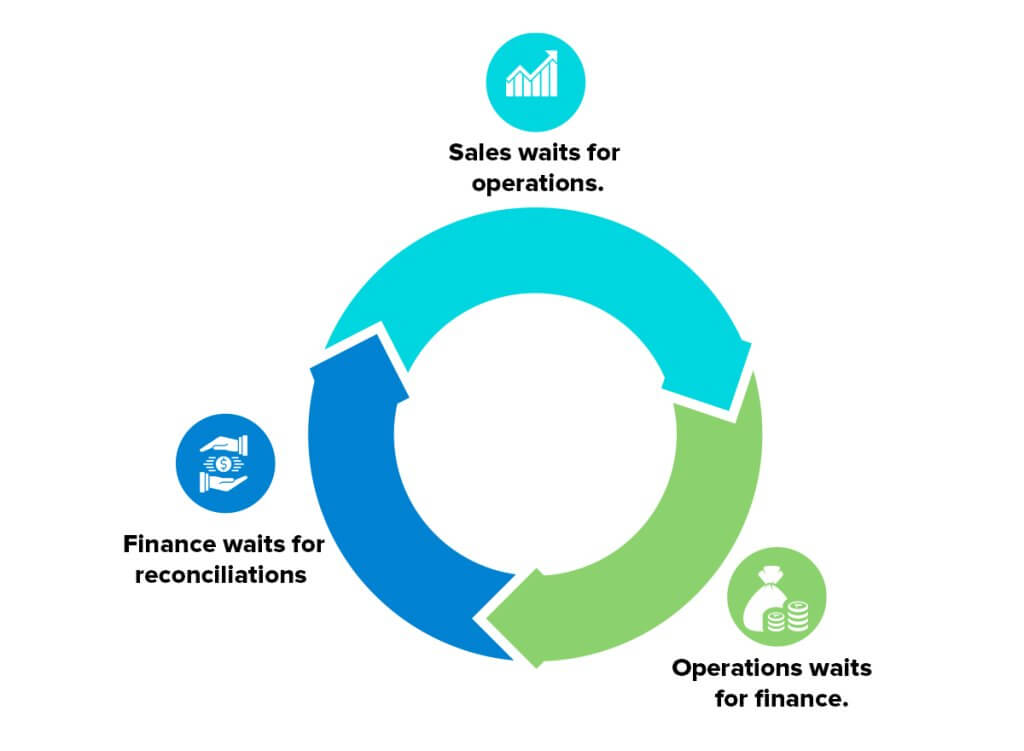
Instead of driving growth, teams spend time coordinating, following up, correcting errors, and managing exceptions.
This “time leakage” rarely appears in financial statements, but it directly affects:
- Partner motivation
- Campaign effectiveness
- Revenue velocity
In loyalty programs, speed builds trust. Delays destroy it.
Finance & Compliance Risks in Manual Loyalty

From a governance perspective, manual loyalty programs create serious exposure.
Challenges include:
- Limited visibility into reward liabilities
- Weak audit trails
- Delayed accrual tracking
- Complex month-end reconciliations
- Multi-country compliance gaps
In regulated markets like the UAE and Saudi Arabia, where enterprise governance standards are rising, loyalty programs must withstand audit scrutiny.
Automation provides:
- Real-time budget visibility
- Clean, traceable audit logs
- Structured approval hierarchies
- Finance-ready reporting dashboards
This shifts loyalty from reactive cost management to proactive financial control.
Manual Loyalty Is More Expensive
Manual loyalty programs are costly everywhere — but in the GCC, the impact is amplified.
Here’s why:
1. Multi-country complexity: Many enterprises operate across UAE, Saudi Arabia, Qatar, and other GCC markets. Manual processes struggle with:
- Multi-currency tracking
- VAT compliance differences
- Regional campaign variations
2. High digital expectations: Consumers in the UAE and Saudi Arabia are highly mobile-first. Delays in reward issuance or claim validation are more noticeable — and less tolerated.
3. Fast expansion cycles: Retail, hospitality, and fintech brands in the GCC expand rapidly. Manual systems cannot keep pace with store openings, franchise additions, and partner growth.
4. Regulatory & governance pressure: As governance standards mature, enterprises require auditable systems — not spreadsheets and email trails.
In high-growth economies, operational inefficiency compounds faster. That’s why the 30–40% cost gap becomes even more significant in this region.
Automated Loyalty Systems: Scaling Without Scaling Cost
An automated loyalty program shifts loyalty operations from people-driven to system-driven.
Instead of emails and spreadsheets, it runs on:
- Rule-based validations
- Configurable approval workflows
- Real-time dashboards
- Automated reward issuance
- Built-in financial controls
Automation doesn’t remove human strategy — it removes repetitive friction.
When automation is implemented correctly:
- Claims are validated automatically against predefined rules
- Ineligible transactions are rejected instantly
- Approvals follow structured workflows
- Rewards are credited in real time
- Every action leaves a clean audit trail
The result? Loyalty stops being an operational burden and becomes a controlled, scalable growth engine.
The Technical Foundation Behind Automated Loyalty
Automation is not just workflow efficiency — it’s architecture.
Modern automated loyalty platforms are built on:
- API integration with POS systems for real-time transaction validation
- CRM synchronization for behavioral segmentation and personalization
- ERP integration for budget tracking and financial reconciliation
- Data warehouse compatibility for enterprise analytics and BI tools
- Fraud detection automation to flag suspicious claims instantly
- Rule engine architecture that enforces eligibility logic automatically
- Role-based access controls (RBAC) to define who can approve, modify, or audit actions
This infrastructure ensures loyalty operates as a system — not a coordination effort between departments.
When Is It Time to Shift?
Automation becomes critical when:
- Your partner base is growing rapidly
- Disputes are increasing
- Escalations are becoming frequent
- Operational costs are rising
- Multi-country expansion is planned
- Finance teams demand better visibility
If loyalty operations feel reactive rather than strategic, the system is the bottleneck.
The Cost of Delaying Automation
If automation is postponed, several risks compound over time:
- Operational costs continue to grow linearly with scale
- Escalations increase as volume increases
- Partner trust erodes due to inconsistent reward handling
- Finance visibility remains reactive
- Expansion into new markets becomes slower and riskier
Eventually, loyalty becomes a bottleneck rather than a growth enabler. In fast-moving GCC markets, delay equals disadvantage.
Why Automation Is Winning in 2026
Here’s what automation brings to the table:
- Operational efficiency — Tasks that took hours are now completed in seconds
- Personalization — Tailored rewards based on behavior
- Scalability — Systems grow as the customer base grows
- Data insights — Track what works and what doesn’t
- Better retention — Customers engage more when rewards feel relevant
In fact, automated loyalty programs have been shown to reduce costs by around 30–40% compared with manual loyalty operations, significantly boosting ROI.
Reward Leakage: The Hidden Financial Risk
Without automated controls, reward leakage becomes inevitable.
Common scenarios include:
- Duplicate claim approvals
- Incorrect point calculations
- Manual overrides without audit logs
- Rewards issued for ineligible transactions
Even a 1–2% leakage rate may appear small. But in enterprise loyalty programs running across thousands of partners and millions of transactions, that percentage translates into substantial financial loss.
Over time:
- Finance teams lose confidence in loyalty data
- Budget tracking becomes reactive
- Leadership questions ROI
Automation prevents leakage by enforcing rules at the system level — not at human discretion.
From Cost Burden to Controlled Growth Infrastructure
In manual environments, loyalty often feels like a cost center:
- Budget overruns
- Limited accrual visibility
- Reactive reconciliation
- Escalations draining resources
Automation changes the financial perception of loyalty.
With real-time dashboards, rule-based controls, and system-driven validations:
- Reward liabilities are visible instantly
- Budgets are controlled at the rule level
- Leakage is prevented, not corrected
- Finance teams gain confidence in data
Loyalty shifts from being questioned in boardrooms to being defended with numbers.
That’s the real transformation.
Manual vs Automated: Side-by-Side Comparison
| Feature | Manual Loyalty Program | Automated Loyalty Program |
|---|---|---|
| Points Tracking | Manual Spreadsheets | Real Time Digital Tracking |
| Reward Redemption | Slow, manual | Instant, digital |
| Personalization | Broad segments | AI-driven profiles |
| Reporting & Analytics | Limited | Deep dashboards |
| Labor Costs | High | Reduced by up to 40% |
| Customer Satisfaction | Average | Higher retention and engagement |
| Scalability | Limited | Seamless |
| Integration with apps | Usually no | Yes (POS, mobile wallets, APIs) |
Bottom line: Automation eliminates bottlenecks and gives businesses data and agility — critical advantages in today’s competitive markets.
Scaling Through Systems, Not Headcount
When loyalty programs expand across:
- Regions
- Partner types
- Product categories
- Multi-country operations
Manual systems require more people.
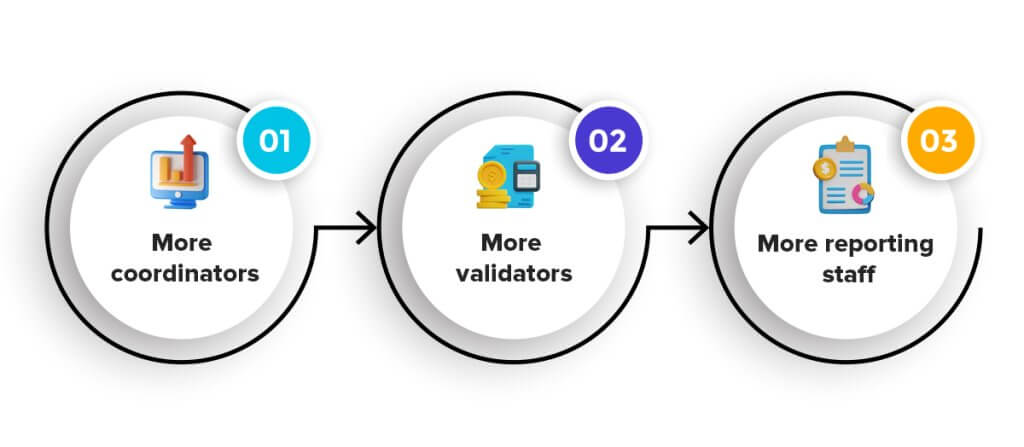
This creates linear cost growth. Automated systems scale differently. The same infrastructure handles increasing volume without proportional increases in manpower. That is the true 30–40% efficiency gain — not just cost reduction, but cost stabilization during growth.
Real Market Trends: GCC Loyalty in 2026
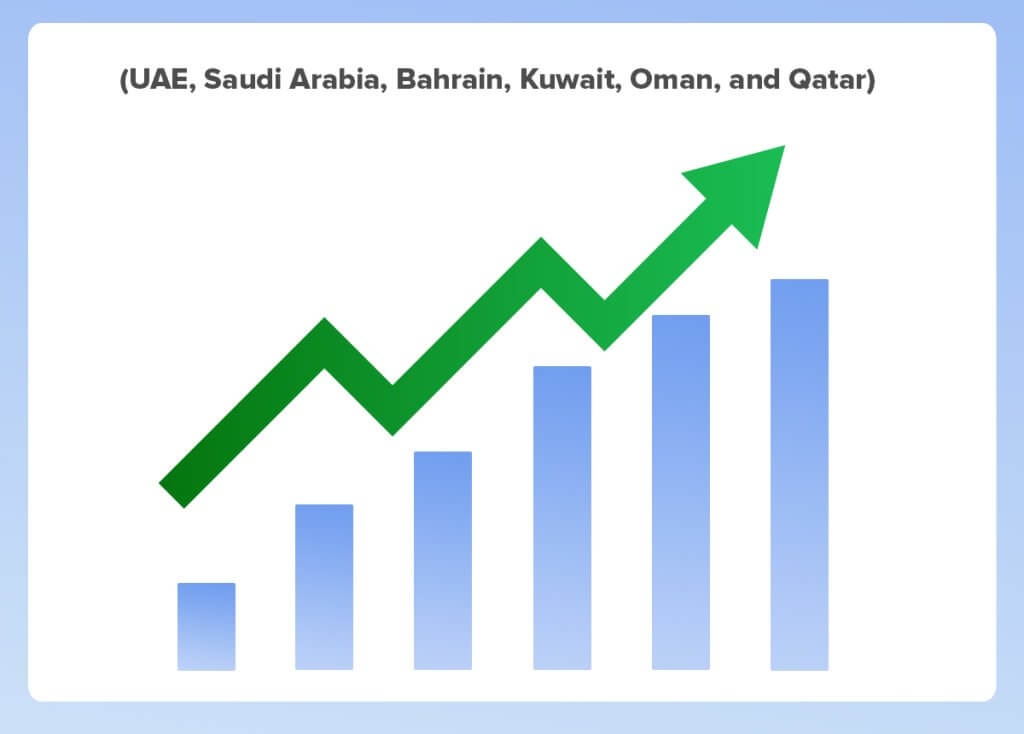
The Middle East loyalty market is not just growing — it’s transforming digitally:
- The loyalty market is projected to hit $3.27B in 2025 and double to $5.49B by 2029.
- Growth rate remains strong at ~13.8% CAGR through 2029.
- Mobile app-based loyalty is rapidly replacing card and paper setups.
- Consumers now expect loyalty experiences tied to real value & personalization, not just coupons.
One powerful driver of engagement in GCC countries is Ramadan. During Ramadan, loyalty adoption spikes as brands deploy personalized offers, digital rewards, and coalition benefits — increasing participation and strengthening customer bonds.
All these points to automated, digital loyalty programs as not just a trend but the future of customer engagement.
How Automation Translates to Real Dollars (Cost Saving)
Companies that adopt automation can expect savings in:
- Lower operational costs — automated workflows trim admin by up to 40%
- Better redemption accuracy — fewer disputes
- Faster member onboarding — better first impressions
- Higher engagement → more repeat buying
- Data-driven campaigns → higher ROI
This isn’t theory — brands worldwide are moving to automated loyalty because it simply makes business sense.
What This Means for GCC Brands
If your business is in the following sectors, then automated loyalty isn’t optional; it’s essential.
- Retail
- Travel & Hospitality
- Banks & Fintech
- FMCG
- Telecom
- Multi-brand ecosystems
Modern customers in the UAE, KSA, and across GCC expect seamless digital experiences, and loyalty is now judged by how quickly and relevantly you reward them.
Why GCC Enterprises Are Accelerating Loyalty Automation
GCC enterprises are moving toward automation faster than many global counterparts due to:
- National digital transformation agendas (UAE Vision, Saudi Vision 2030)
- Rapid retail and hospitality expansion
- High smartphone penetration
- Young, digitally native consumer base
- Increased focus on governance and audit transparency
The region is not just adopting automation — it is expecting it.
Where Novus Loyalty Fits In
At Novus Loyalty, we believe loyalty should be frictionless, data-driven, and profitable. Our expertise helps brands design automated loyalty architectures that are:
- Customized for your market
- Integrated with mobile & web touchpoints
- Powered by analytics for higher engagement
- Proven to reduce costs and improve ROI (without manual burden)
We’ve seen first-hand how automation transforms loyalty outcomes, and why brands that delay lose ground to those who modernize.
Automation Is About Governance, Not Just Cost
Automation is often viewed as a cost-saving move. In reality, for fast-growing GCC economies, it is a governance strategy.
As loyalty programs expand across markets, currencies, and regulatory frameworks, they create financial liabilities that demand visibility and control. Manual systems rely on coordination. Automated systems rely on enforceable rules, real-time data, and structured oversight.
In high-growth environments like the UAE and Saudi Arabia, automation is not just about efficiency; it is about maintaining control, ensuring transparency, and building sustainable growth with confidence.
Final Thought
Manual loyalty programs may have worked in the past, but in 2026 and beyond, they simply can’t keep pace with digital consumer expectations in the UAE, Saudi Arabia, and the wider GCC region. Automation is no longer a “nice to have”; it’s a strategic necessity. It reduces operational costs, eliminates hidden inefficiencies, strengthens data accuracy, and delivers the kind of personalized engagement today’s customers expect. Most importantly, it transforms loyalty from a cost center into a measurable growth engine.
For brands that want to stay competitive, improve retention, and protect margins, the real question isn’t whether to automate — it’s how soon they can make the transition.
Explore Enterprise Loyalty
Manage large-scale loyalty programs with automation and insights.