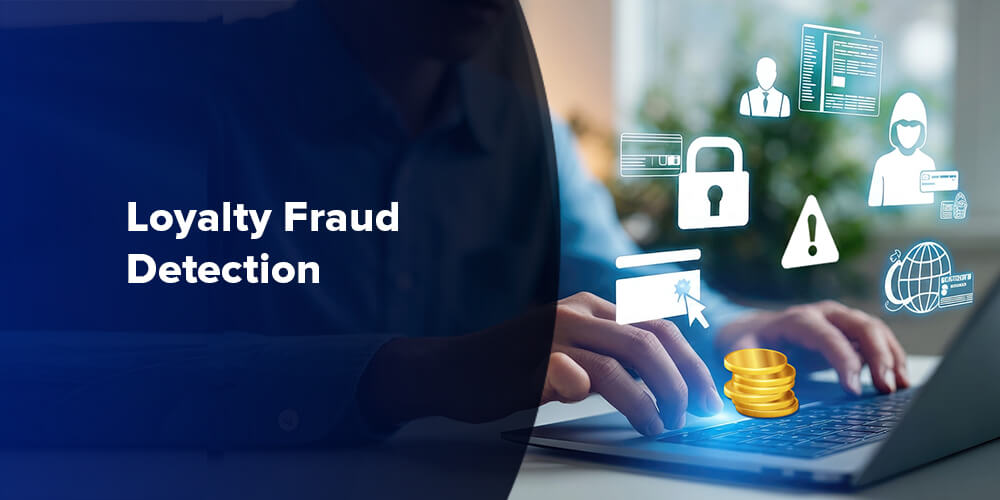
Loyalty Fraud Detection in 2026: The Hidden Scam Crisis Costing Brands Millions
- Editorial & Research Team
- |
- Published on May 20, 2026
On this page
Share Article


- Loyalty fraud attacks have surged globally in 2026, with account takeovers, bot abuse, and fake redemptions becoming major threats across digital loyalty ecosystems.
- Fraudsters are now targeting loyalty points like real currency, forcing brands to rethink how customer rewards, wallets, and engagement systems are protected.
- Traditional fraud detection tools are struggling against AI-driven scams, making behavioral analytics one of the most critical technologies for modern loyalty security.
- Retail, banking, travel, and hospitality brands are facing new fraud patterns that silently impact customer trust, retention, operational costs, and brand reputation.
- The future of loyalty will depend on how effectively brands balance personalization, seamless customer experience, and real-time AI-powered fraud prevention strategies.
In 2026, loyalty points are no longer just rewards—they function as digital currencies. And fraudsters are treating them that way.
Recent fraud intelligence highlights a sharp rise in attacks targeting loyalty ecosystems. According to LexisNexis Risk Solutions Fraud Report, global fraud attacks increased by approximately 8%, driven by synthetic identities, bot-driven activity, and increasingly sophisticated AI-enabled scams. Meanwhile, Sift Digital Trust & Safety Index reports that over 1 in 5 consumers (21%) experienced account takeover attempts in 2025, with loyalty accounts, digital wallets, and stored-value systems among the most targeted.
What makes loyalty fraud especially dangerous isn’t just financial loss, it’s the silent erosion of customer trust.
Customers often spend years accumulating airline miles, hotel rewards, cashback points, or retail credits. A single unauthorized redemption, account breach, or fraudulent transaction can wipe out that value and the trust behind it in minutes.
This growing threat is why AI and behavioral analytics are rapidly becoming the backbone of modern loyalty fraud detection, enabling brands to detect anomalies, prevent abuse, and protect customer relationships in real time.
What Is Loyalty Fraud?
Loyalty fraud happens when criminals manipulate loyalty programs, steal reward points, abuse promotions, or exploit weak systems for financial gain.
Unlike traditional payment fraud, loyalty fraud often goes unnoticed because points are treated differently from money. But in reality, loyalty points now hold enormous monetary value.
Fraudsters target:
- Airline miles
- Hotel rewards
- Retail loyalty points
- Banking rewards
- Cashback systems
- Gift cards
- Gaming and subscription rewards
- Fuel and convenience store programs
Today’s fraud is no longer manual. AI-powered bots can automate attacks on a massive scale.
The Most Common Types of Loyalty Fraud in 2026
1. Account Takeover (ATO)
This is currently one of the biggest threats.
Fraudsters use stolen credentials, phishing attacks, leaked passwords, or bots to enter customer loyalty accounts and redeem rewards before the real customer notices.
The airline and travel industry has become one of the biggest targets because loyalty points can easily be converted into flights, upgrades, or hotel stays.
Common signals:
- Sudden login from another country
- Multiple failed login attempts
- Instant redemption after login
- Device mismatch
- Unusual redemption behavior
2. Fake Account Creation
Fraudsters create thousands of fake accounts using bots or synthetic identities to abuse sign-up rewards, referral campaigns, and promotional bonuses.
This creates fake engagement data and drains marketing budgets.
3. Promotion Abuse
Some users exploit loopholes in reward structures repeatedly.
Examples include:
- Multiple registrations for the same offer
- Referral manipulation
- Fake purchases for bonus rewards
- Coupon stacking abuse
This type of fraud is growing in retail and food delivery ecosystems.
4. Insider Fraud
Employees with access to loyalty systems may manipulate balances, issue unauthorized rewards, or create fake redemptions.
Insider fraud is difficult to detect without behavioral monitoring.
5. Reward Reselling
Stolen points are often converted into flights, gift cards, hotel bookings, or discounted products and sold on underground marketplaces.
That is why loyalty fraud is now treated as a cybersecurity issue, not just a marketing problem.
Why Traditional Fraud Detection Is Failing
Older fraud systems depend heavily on static rules.
For example:
- Block if transaction exceeds limit
- Flag if login comes from another country
- Stop activity after multiple failed attempts
The problem is simple.
Modern fraudsters behave like real customers.
AI bots now imitate human browsing behavior, login timing, purchasing patterns, and even mouse movements. Experts in the fraud industry are warning that “fraud now looks human.”
This is where behavioral analytics changes everything.
How AI and Behavioral Analytics Detect Loyalty Fraud
Behavioral analytics studies how users normally behave.
AI then compares real-time actions against historical patterns to identify anomalies before fraud happens.
Instead of asking: “Is this transaction unusual?”
AI asks: “Does this behavior feel different from how this customer normally acts?”
That difference is powerful.
Key Fraud Signals AI Can Detect
Unusual Login Patterns
- New device usage
- Impossible travel locations
- Midnight login spikes
- VPN or proxy behavior
Abnormal Redemption Activity
- Large point transfers
- Instant redemption after earning
- Gift card-heavy redemption behavior
- High-frequency transactions
Behavioral Velocity
AI tracks how quickly actions happen.
Humans behave naturally.
Bots behave unnaturally fast.
Example:
- 20 reward claims in 30 seconds
- Multiple coupon attempts instantly
- Rapid checkout behavior
Industries Most Affected by Loyalty Fraud
Airlines & Travel
Airline miles are among the most valuable loyalty assets globally.
Travel programs are major targets because rewards can be converted quickly into real-world value
Banking & Fintech
Credit card reward systems and cashback platforms face increasing fraud pressure from synthetic identities and account manipulation.
Retail & E-Commerce
Retailers lose millions annually through fake coupons, referral abuse, loyalty scams, and automated reward exploitation.
Hospitality
Hotels increasingly face loyalty account theft, fake bookings, and reward manipulation.
The Real Business Impact of Loyalty Fraud
Loyalty fraud affects far more than revenue.
Financial Losses
Fraud drains reward budgets and increases operational costs.
Customer Churn
According to fraud research from Sift, 68% of consumers say they would stop using a brand after experiencing fraud on the platform.
Brand Reputation Damage
Trust takes years to build and minutes to lose.
False Positives
Sometimes legitimate customers get blocked incorrectly, creating frustration and abandonment.
Modern fraud prevention must balance security with customer experience.
How Brands Can Protect Loyalty Programs in 2026
Use AI-Powered Fraud Detection
AI systems can identify hidden patterns humans miss.
They continuously learn and improve detection accuracy.
Implement Behavioral Analytics
Behavioral intelligence helps brands identify suspicious activity early without disrupting genuine customers.
Enable Multi-Factor Authentication (MFA)
MFA significantly reduces account takeover risks.
Monitor Real-Time Activity
Fraud detection must happen instantly, not days later.
Real-time monitoring prevents reward theft before redemption occurs.
Build Risk-Based Authentication
Instead of forcing every customer through friction, smart systems add verification only when behavior becomes suspicious.
This improves both security and customer experience.
Why 2026 Is a Turning Point for Loyalty Security
The loyalty industry is evolving rapidly.
Programs are becoming:
- More personalized
- AI-driven
- Wallet-based
- Omnichannel
- Integrated with payments and digital identity
At the same time, fraudsters are becoming smarter.
Generative AI, automated bots, and synthetic identities are changing the fraud landscape faster than many brands can adapt.
The companies winning in 2026 are not treating loyalty as a simple rewards engine anymore. They are treating it as a protected customer asset.
How Novus Loyalty Helps Brands Stay Protected
At Novus Loyalty, loyalty is not just about engagement. It is about building trusted ecosystems that customers can rely on.
Modern loyalty programs need:
- Secure architecture
- Real-time monitoring
- Behavioral intelligence
- AI-powered personalization
- Fraud prevention frameworks
- Omnichannel visibility
Novus Loyalty helps brands create loyalty ecosystems that balance customer experience, personalization, and fraud protection together.
Because in 2026, loyalty without trust simply does not survive.
Final Thoughts
Loyalty fraud is no longer a hidden backend issue.
It directly impacts:
- Revenue
- Customer trust
- Brand reputation
- Retention
- Long-term growth
The biggest challenge in 2026 is that fraudsters increasingly look like normal users.
That is why AI and behavioral analytics are becoming essential for every loyalty-driven business worldwide.
The future of loyalty will belong to brands that can recognize genuine customers instantly, stop fraud silently, and protect trust at every touchpoint.
Explore Customer Loyalty
Design programs that increase customer lifetime value.