Top 10 Gamification Examples in India (2026)
- Editorial & Research Team
- |
- Published on May 22, 2026
On this page
Share Article


- 20–50% higher engagement isn’t accidental; it’s driven by how leading brands are redesigning everyday actions into repeatable, habit-forming experiences powered by gamification systems.
- India’s top brands aren’t just adding games, they’re embedding interaction directly into user journeys, turning passive actions into dynamic, high-frequency engagement loops.
- The real shift isn’t rewards, it’s psychology. Users today are drawn to progression, competition, and instant feedback, changing how loyalty is built and sustained.
- Gamification in 2026 is always-on, not campaign-led. The most effective strategies operate continuously, adapting to user behaviour and cultural moments in real time.
- AI and compliance are quietly reshaping the landscape, making gamification smarter, more personalised, and future-ready, while introducing new rules brands can’t afford to ignore.
In 2026, India’s loyalty market is set to hit $4.07 billion, growing to $7.18 billion by 2030. But this growth isn’t coming from better discounts or more points; it’s powered by a shift in how brands engage customers
The brands winning today are rethinking the entire experience. Routine actions like shopping, ordering food, or paying bills are no longer just transactions. They’re becoming interactive moments, where users earn rewards, maintain streaks, play quizzes, and keep coming back for more.
Open any major app in India, and the pattern is clear. Engagement is no longer passive; it’s designed. That’s what defines the most effective gamification examples in India today. While much of the content online still focuses on outdated tactics, gamification loyalty programs in India have evolved into real-time, always-on systems powered by cultural triggers and AI.
If you are exploring the best gamification India 2026 strategies, this guide breaks down exactly how leading brands are doing it.
What is Gamification?
At its core, gamification is about applying game-like mechanics to non-game environments to influence behaviour and drive engagement.
In India, it usually shows up in three core ways:
- Points & rewards that give users a tangible benefit for actions
- Tiers & leaderboards that create a sense of progression and status
- Challenges & streaks that build habit and consistency
And it works. Studies consistently show that nearly 60% of users are more likely to engage with a brand that uses gamified elements.
But here’s the catch: mechanics alone don’t create impact. Execution does. And the brands getting this right are going far beyond basic implementations.
Top 10 Gamification Loyalty Programs in India (2026)
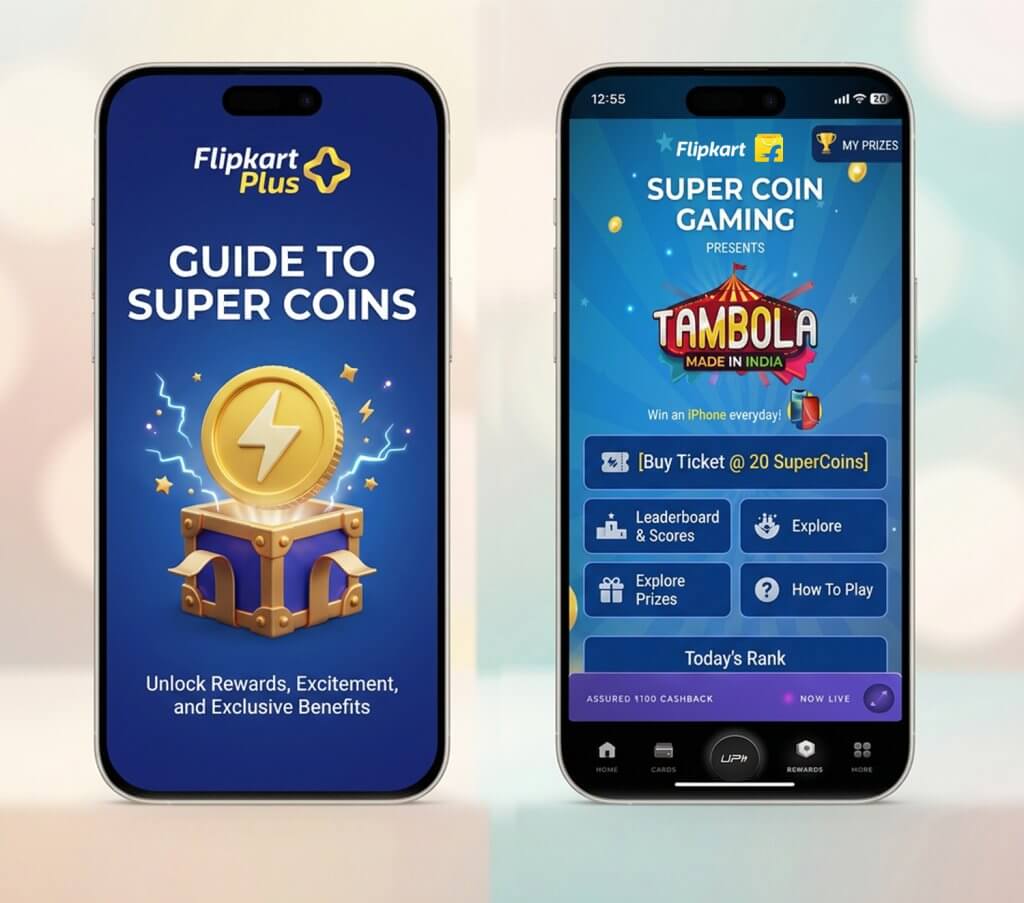
1. Flipkart SuperCoins: Rewarding Engagement Beyond Purchases
In e-commerce, loyalty is built through engagement, not just discounts. Flipkart’s SuperCoins program is a strong example of this approach, rewarding users not only for purchases but also for activities like watching videos, taking quizzes, and exploring offers within the app.
Users earn SuperCoins through these interactions and redeem them for discounts, exclusive deals, partner benefits, and more. By gamifying everyday actions, Flipkart keeps users actively engaged, increases app retention, and strengthens long-term customer loyalty, making SuperCoins one of India’s most successful gamification marketing examples.
2. Amazon India — FunZone
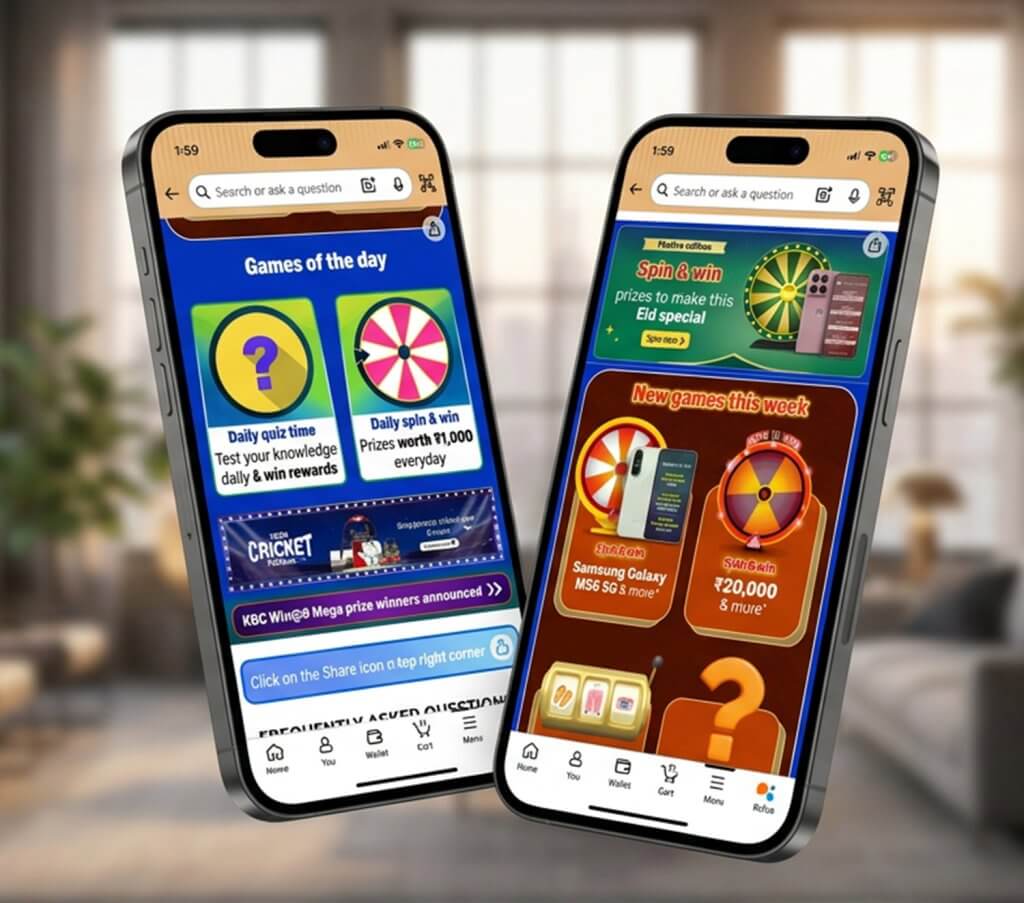
Gamification Type: Quiz, spin-the-wheel, jackpot
How it Works: Amazon India operates FunZone as a dedicated engagement layer within its app. Users participate in Daily Quiz formats, Spin & Win campaigns, Jackpot contests, and Tap & Win experiences, particularly during events like Prime Day and the Great Indian Festival. Each interaction is designed to be quick, intuitive, and repeatable, ensuring users come back multiple times during campaign windows.
Result / Impact: Campaign cycles typically sustain engagement for 2–4 weeks, significantly increasing repeat visits and time spent on the platform.
Why it Works: It lowers the barrier to participation—anyone can play, instantly.
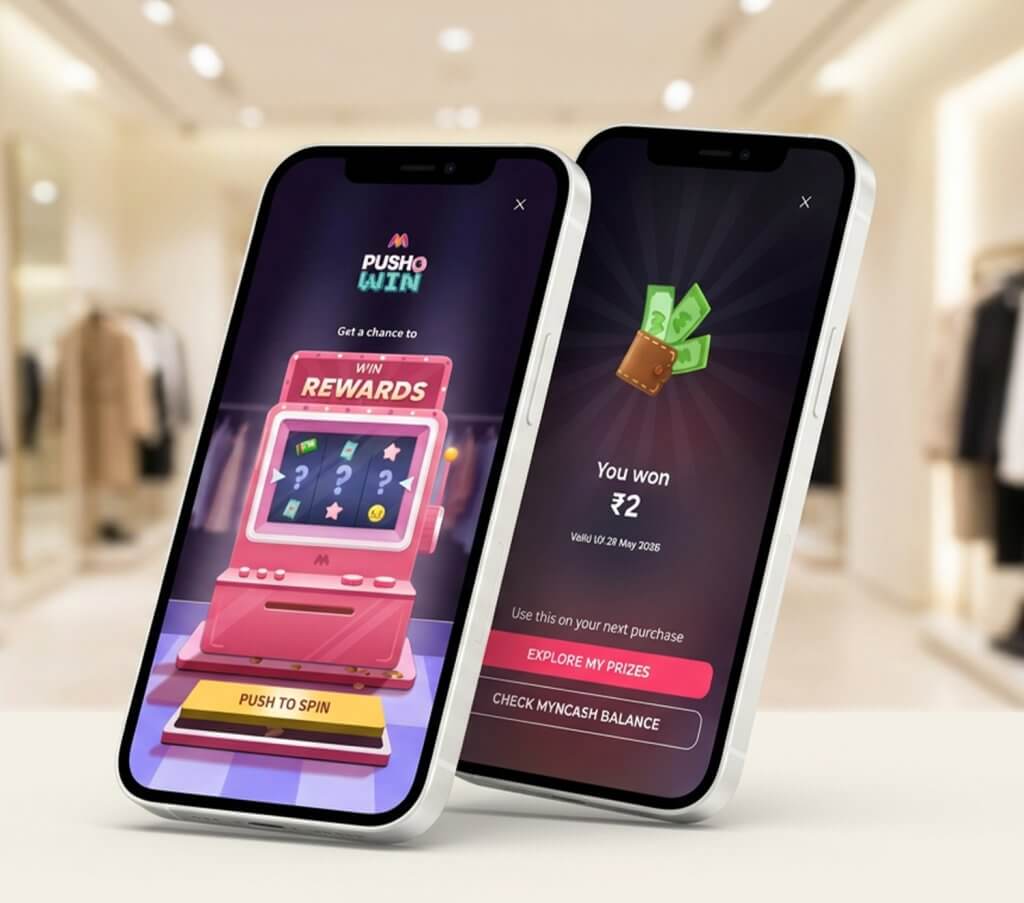
3. Myntra: Creating Competitive Excitement During Sales
Seasonal sales in fashion e-commerce are driven by urgency, and Myntra uses gamification to make them even more engaging. During major sale events, Myntra introduces leaderboard-based challenges where users compete for rewards based on their shopping activity.
As customers make more purchases, they climb the leaderboard and unlock better rewards, creating a sense of competition and excitement throughout the sale. This gamified approach encourages faster purchasing decisions, increases average order value, and keeps shoppers actively engaged, turning regular sales events into highly interactive shopping experiences.
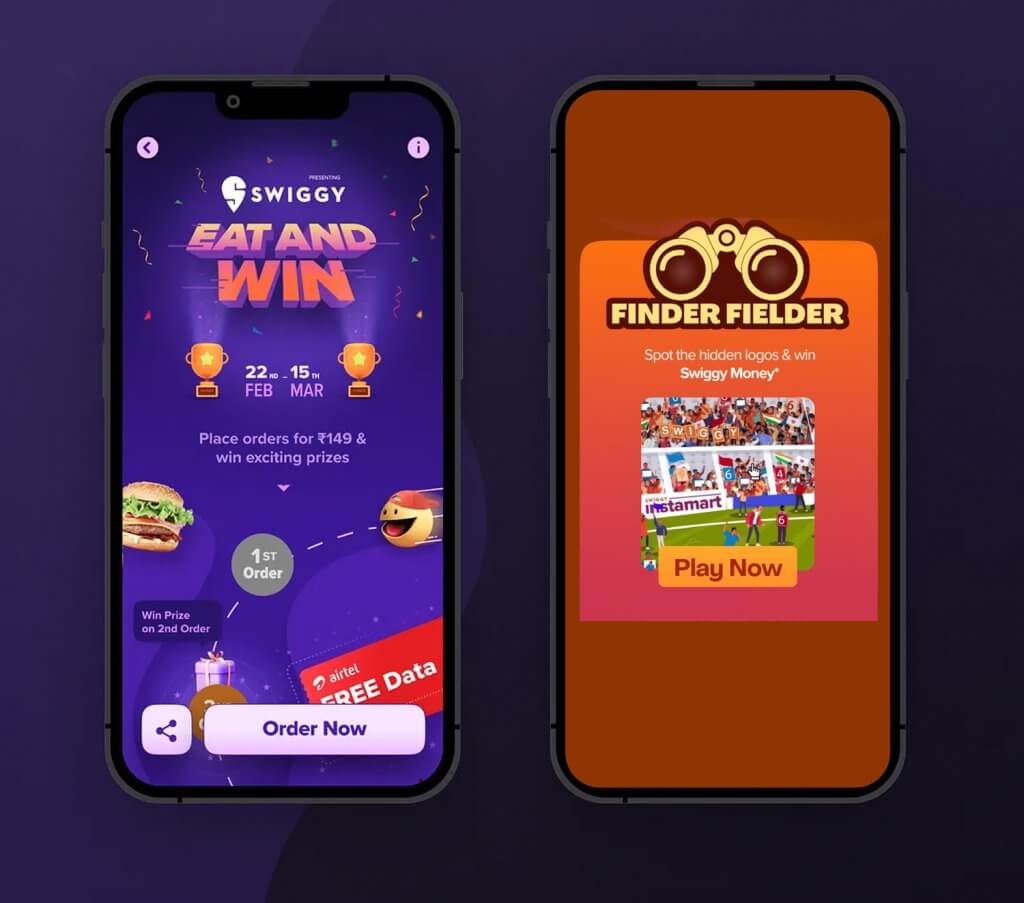
4. Swiggy – Event-Led Gamification
Gamification Type: Collection games, spin rewards
How it Works: Swiggy integrates gamification into cultural moments, especially IPL. Users participate in card collection campaigns, earning digital cards through orders and unlocking rewards at milestones like 3, 6, or full completion. Additional layers like spin-the-wheel rewards for subscribers and festive campaigns further deepen engagement.
Result / Impact: Order frequency spikes during campaign periods, especially when tied to live events.
Why it Works: It aligns with what users are already emotionally invested in—cricket.
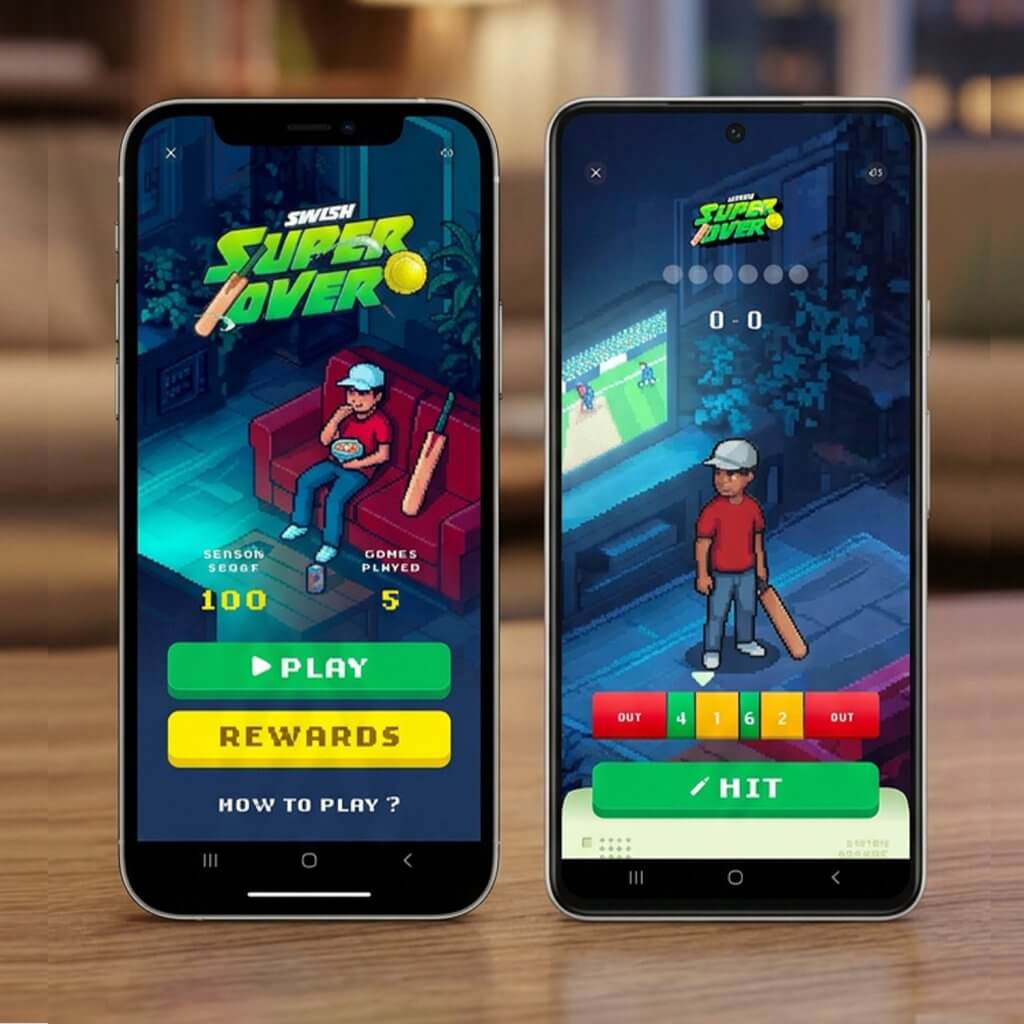
5. Swish – Cricket Fever
Swish uses cricket-led gamification to turn match moments into high-engagement ordering experiences. During major cricket tournaments like the IPL, Swish launches interactive campaigns tied to live match events, encouraging users to order during specific overs, innings breaks, or high-excitement moments.
The platform combines limited-time offers, instant rewards, and referral incentives with the excitement of live cricket, creating urgency around every order. Instead of relying on traditional loyalty mechanics, Swish connects food delivery with the emotional energy of the game, making users feel part of the live action.
This strategy works especially well for impulse orders like snacks, beverages, and late-night meals, driving repeat daily usage during match seasons. By blending entertainment, timing, and instant gratification, Swish transforms cricket viewership into a powerful engagement and retention engine.
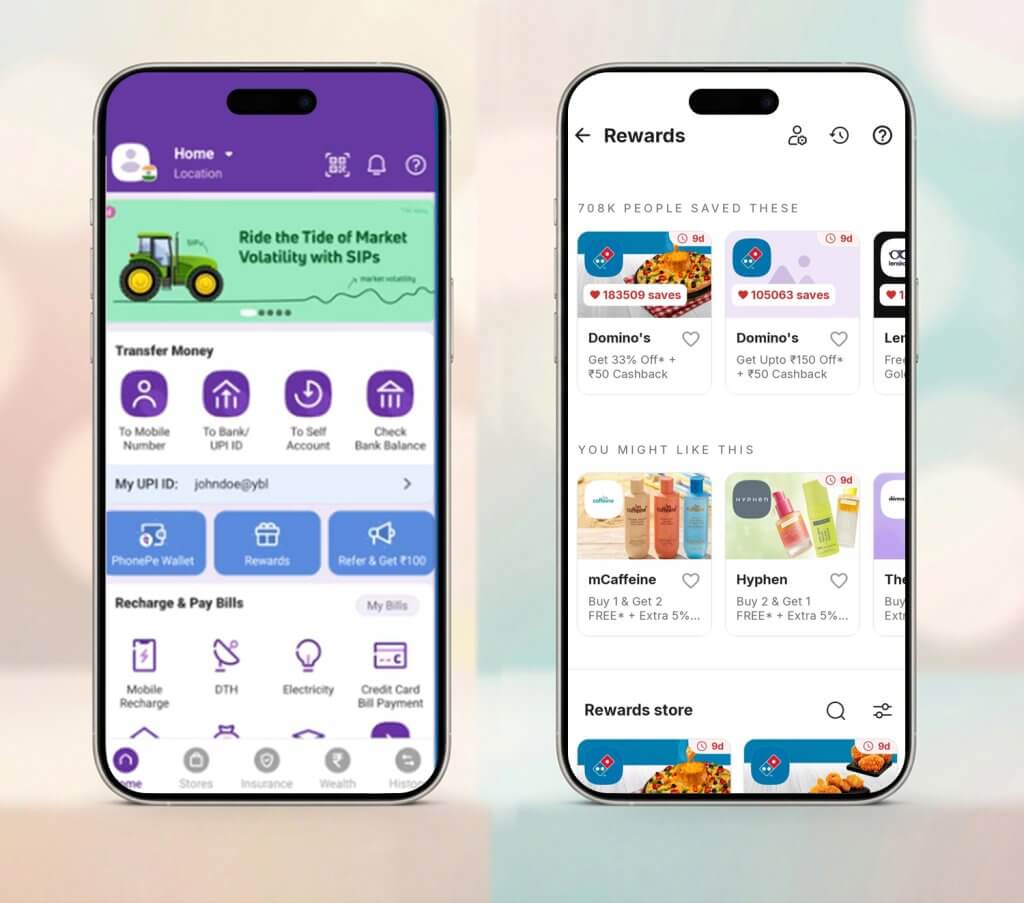
6. PhonePe: Using Festive Campaigns to Boost Engagement
In India, festivals create massive spikes in consumer activity, and PhonePe uses gamification to make these moments even more engaging. During occasions like Diwali, PhonePe launches festive challenges and reward-based campaigns that encourage users to complete specific transactions to earn cashback, vouchers, and exclusive offers.
By connecting rewards with culturally significant moments, PhonePe makes user engagement more exciting and relevant. This strategy not only increases transaction volumes during festive seasons but also strengthens customer participation and app usage through emotionally connected experiences.
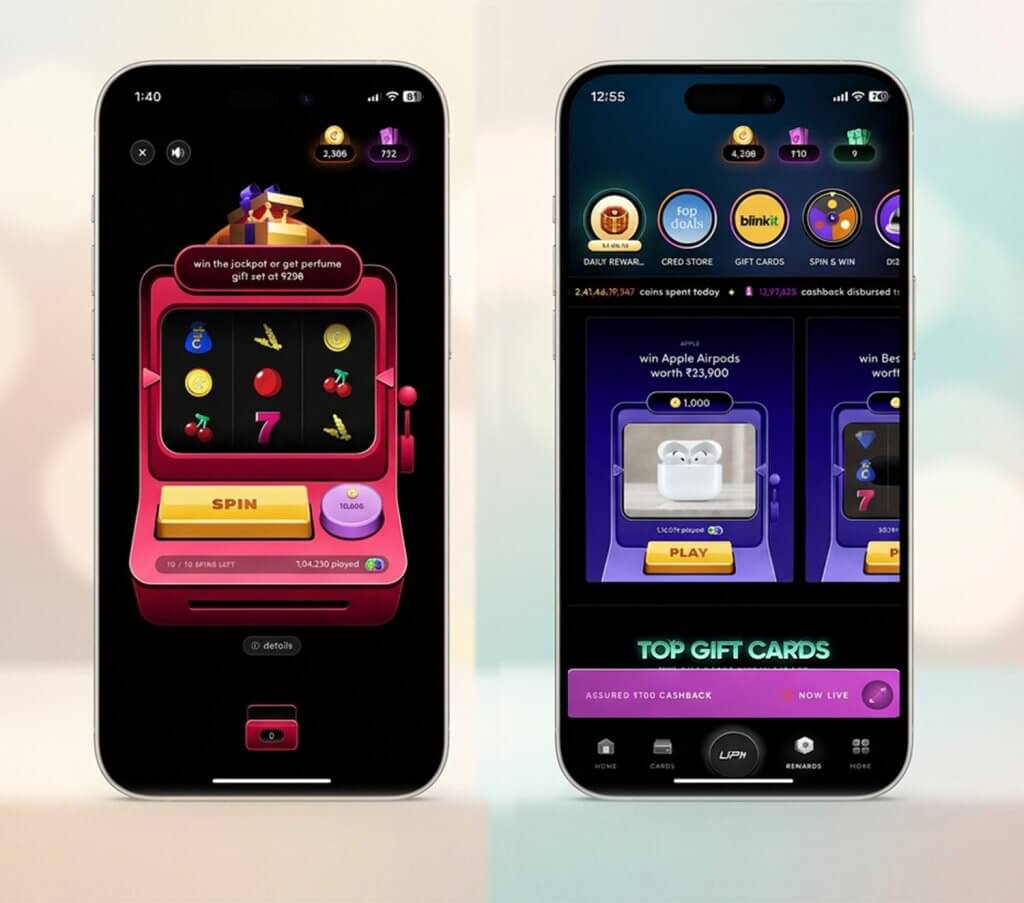
7. CRED – Spin the Wheel
CRED keeps users consistently engaged through its popular spin-the-wheel feature, where members get multiple chances daily to win rewards such as cashback, gift vouchers, and even cryptocurrency benefits.
The feature works by tapping into anticipation and variable rewards, creating excitement around every spin while keeping the experience transparent and rewarding. Limited daily spins also encourage users to return regularly, building a strong engagement habit.
Combined with CRED Coins and in-app games, this strategy creates a complete gamified ecosystem that motivates users to stay active on the platform. By linking rewards to timely credit card bill payments, CRED successfully turns a routine financial task into an engaging daily experience.
8. Fitbit: Turning Fitness Goals into Daily Motivation
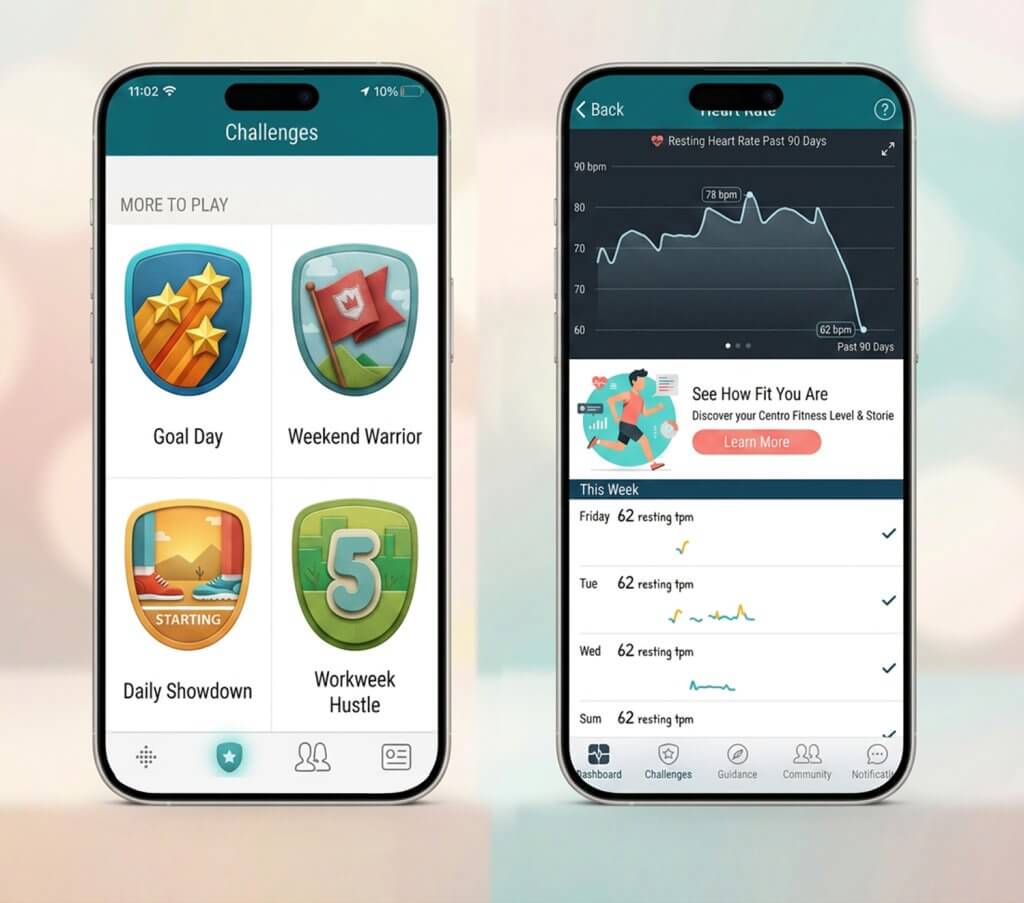
Fitbit uses gamification to keep users motivated and consistently engaged with their health goals. Through virtual badges, milestone achievements, and progress circles, the platform transforms everyday fitness activities into rewarding experiences.
Users earn recognition for reaching milestones like step goals or distance challenges, while visual progress tracking encourages them to complete daily targets. Fitbit also strengthens engagement through social competition, allowing users to challenge friends, compare results, and share achievements online.
By combining personal progress with community-driven motivation, Fitbit creates a highly engaging fitness ecosystem that improves user retention and encourages long-term healthy habits.
9. Cult.fit: Building Fitness Communities Through Challenges
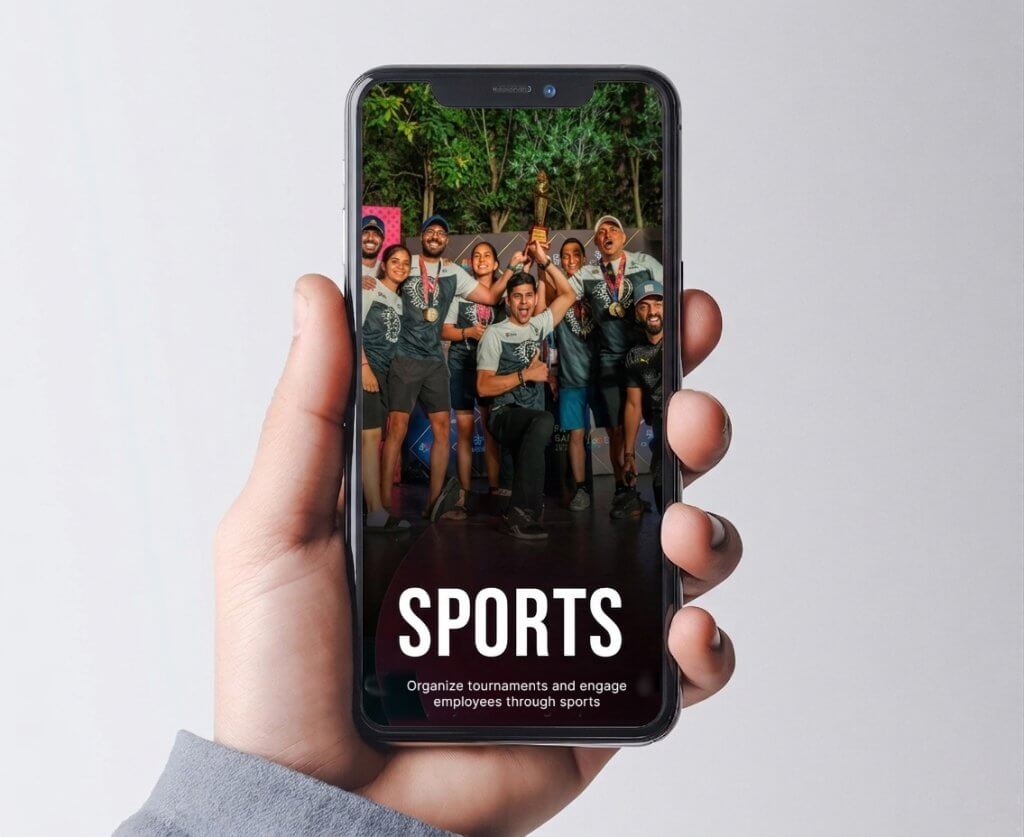
Cult.fit uses gamification to keep users motivated and consistent with their fitness routines. The platform regularly introduces workout challenges where users complete specific goals within a set timeframe, often competing with friends or fellow fitness enthusiasts.
Features like progress tracking, leaderboards, and achievement sharing create a sense of accountability and friendly competition, making workouts more engaging and community-driven. By combining fitness with social motivation, Cult.fit increases user participation, class attendance, and long-term subscriber retention in the wellness space.
10. CoinDCX – Streaks and Milestones
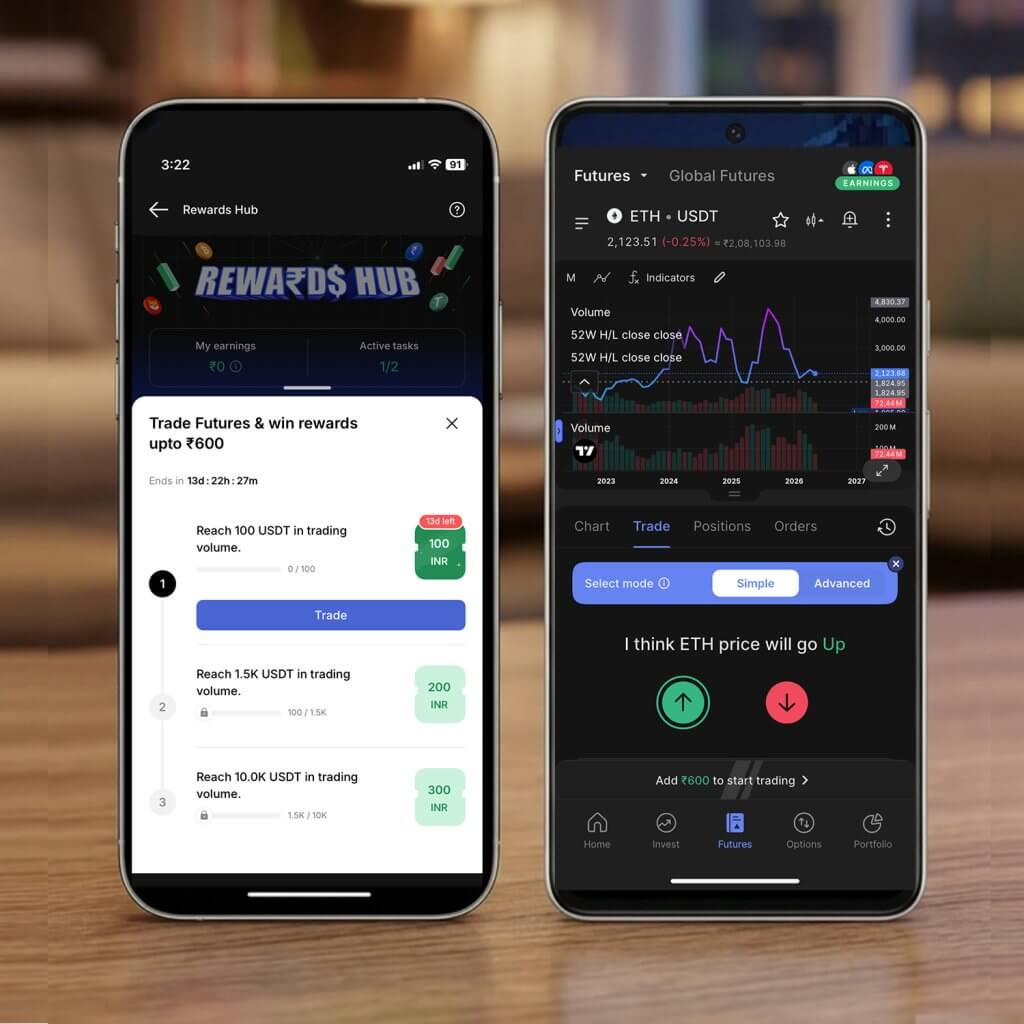
Leading crypto investment platforms use streaks and milestone-based gamification to encourage consistent user activity. As users maintain daily engagement, they unlock higher levels and benefits such as lower trading fees, premium rewards, and priority support.
This approach works by leveraging loss aversion psychology — users are motivated to maintain their progress and avoid breaking their streaks. Combined with milestone rewards for achievements like 7-day or 30-day streaks, these mechanics help boost daily app usage, strengthen retention, and build long-term engagement.
Why Gamification Works in India
Gamification works in India because it aligns naturally with behaviour. Cricket acts as a massive engagement engine. UPI has created daily interaction habits. And a mobile-first generation expects feedback, progress, and interaction.
More importantly, the shift is psychological; users are moving from seeking value to seeking experience.
The Bottom Line
The best gamification India 2026 strategies are no longer one-off campaigns; they are continuous, behaviour-driven systems built into the customer journey. Brands leading this shift aren’t just rewarding transactions; they’re creating habit loops that drive daily engagement, repeat actions, and long-term loyalty.
What’s changed is the intent. Gamification is no longer about short-term spikes; it’s about sustained interaction. Every quiz, streak, reward, or challenge is designed to bring users back, again and again, even when there’s no immediate need to purchase.
With AI-led gamification, this becomes even more powerful. Experiences adapt in real time, making engagement more relevant and harder to ignore. The impact is clear: brands are already seeing 20–50% higher engagement and stronger retention.
The shift is already underway. The real question is: are you building something users use or something they come back to?
Explore Gamification Loyalty