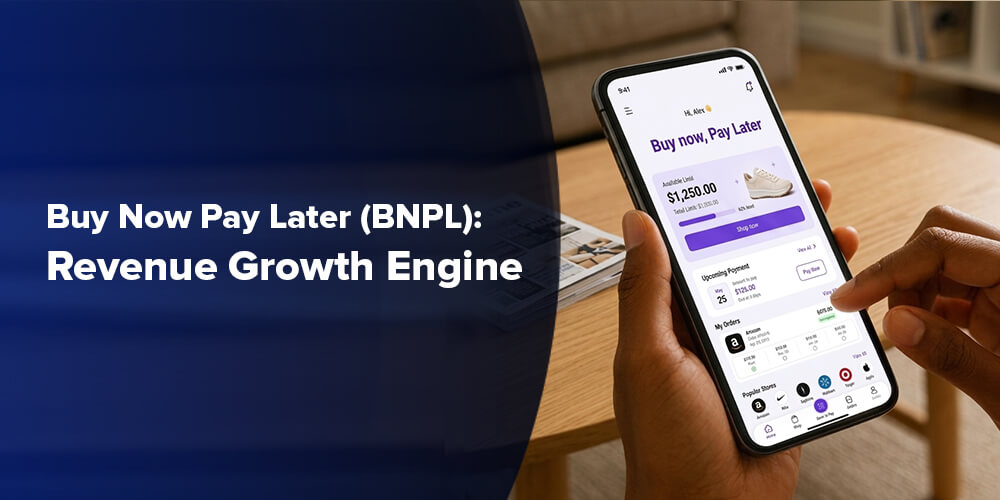
BNPL + Transaction Value: The Silent Revenue Multiplier Brands Can’t Afford to Ignore in 2026
- Editorial & Research Team
- |
- Published on April 30, 2026
On this page
Share Article


- 20–40% uplift metric alert: BNPL is quietly reshaping purchase behavior, pushing higher basket sizes and conversions—without traditional discounting pressure.
- Flexible payments aren’t just convenience anymore; they’re becoming the default checkout expectation, especially among Gen Z and mobile-first consumers across emerging markets.
- Brands leveraging BNPL strategically are unlocking new revenue levers—from acquisition to margin protection—far beyond simple payment facilitation.
- The real shift begins when BNPL connects with loyalty, turning transactions into repeat engagement loops that influence long-term customer behavior.
- As BNPL evolves with UPI, AI, and personalization, it’s moving beyond payments into a powerful experience layer brands can’t afford to overlook.
In 2025, global studies consistently showed that Buy Now, Pay Later (BNPL) can increase average transaction value (ATV) by 20% to 40%, with some sectors like fashion and electronics reporting even higher spikes. At the same time, the BNPL market in India alone is projected to grow at a CAGR of over 20% through 2030, driven by digital payments, UPI adoption, and Gen Z consumption patterns.
That’s not just a payment trend, it’s a complete shift in how people buy, spend, and stay loyal.
What is BNPL and Why Is It Exploding?
BNPL allows customers to purchase instantly and pay later in smaller, manageable installments, often interest-free. It removes the biggest barrier in shopping: immediate affordability.
Why is it rising so fast?
- E-commerce growth across Southeast Asia and India
- UPI-led digital payment infrastructure
- Low credit card penetration in emerging markets
- Younger consumers prefer flexible payments over debt
BNPL is no longer an “add-on,” it’s becoming a default checkout option.
Market Snapshot: BNPL Growth & Adoption
A quick look at how fast BNPL is scaling globally and regionally:
| Region | Adoption Trend |
|---|---|
| Southeast Asia | Rapid growth driven by mobile-first users |
| India | Strong surge via UPI + fintech players |
| Europe | Mature adoption with regulation focus |
| USA | High usage in retail and e-commerce |
Key Highlight:
BNPL is replacing traditional credit cards in emerging markets, especially where credit access is limited.
How BNPL Works
Let’s simplify the flow:
Checkout → Select BNPL → Instant Approval → Purchase → Pay in Installments
Common Models:
- Pay-in-4: Split into 4 interest-free payments
- Pay Later: Full payment after a set period
- EMI-based: Monthly installments with/without interest
India-Specific Evolution:
BNPL is now being integrated with UPI, making it frictionless. Users don’t need credit cards, just a mobile number and basic KYC.
Why Gen Z and Millennials Love BNPL
This isn’t just financial, it’s psychological.
Key drivers:
- Affordability: Buy higher-value items without an upfront burden
- Cash flow control: Spend without disrupting monthly budgets
- Access: Works even with low or no credit history
- Instant gratification: “Why wait if I can own it now?”
This shift is redefining spending behavior globally.
BNPL = Higher Transaction Value (The Real Game)
Here’s where it gets interesting for brands.
When customers don’t feel the full price upfront, they tend to:
- Add more items to the cart
- Upgrade to premium products
- Complete purchases instead of abandoning carts
Result?
- Higher AOV (Average Order Value)
- Increased conversion rates
- Lower cart abandonment
BNPL is not a cost; it’s a revenue engine.
How Brands Are Using BNPL to Grow Revenue
Smart brands aren’t just offering BNPL, they’re building strategies around it.
1. BNPL as a Conversion Booster
At checkout, BNPL reduces hesitation. More checkouts = more revenue.
2. Replacing Heavy Discounts
Instead of giving 20% off, brands offer “Pay in 4.” Same perceived value, higher margins.
3. Customer Acquisition Channel
BNPL platforms themselves bring new users to brands.
Where BNPL is Winning (Industries)
- E-commerce & marketplaces
- Electronics & appliances
- Travel & hospitality
- Healthcare (procedures, wellness)
- EdTech & subscriptions
These sectors benefit most because they involve mid-to-high ticket purchases.
Challenges Brands Must Watch
BNPL isn’t risk-free.
- Rising regulatory scrutiny
- Customer over-spending risks
- Credit defaults
- Margin pressure if not structured well
The key is responsible implementation.
BNPL + Loyalty = The Real Power Combo
Here’s where things get exciting, and where most brands are still behind.
BNPL alone increases spending.
Loyalty ensures customers come back.
When combined:
- Earn points on BNPL purchases
- Reward timely repayments
- Offer exclusive BNPL-based rewards
- Gamify installment journeys
This creates a loop: Spend → Earn → Redeem → Repeat
How Novus Loyalty Fits In
Modern loyalty isn’t just about points; it’s about influencing behavior.
At Novus Loyalty, the focus is on:
- Integrating BNPL into reward ecosystems
- Driving repeat purchases through smart incentives
- Creating WhatsApp-first engagement journeys
- Designing programs where spending feels rewarding, not transactional
The result? Higher engagement, stronger retention, and measurable revenue growth.
Gamification + BNPL: A New Engagement Layer
Imagine this:
- “Complete all 4 installments → Unlock bonus points”
- “Use BNPL 3 times → Get tier upgrade”
This turns payments into experiences, not obligations.
Adoption Framework for Brands
If you’re planning BNPL integration, here’s a practical approach:
- Identify high-value product categories
- Partner with trusted BNPL providers
- Integrate at checkout seamlessly
- Layer loyalty rewards on top
- Track ATV, conversion, and repeat rate
Use Cases: BNPL + Loyalty in Action
| Industry | Use Case | Impact |
|---|---|---|
| E-commerce | Pay-in-4 + reward points | Higher Cart Value |
| Travel | EMI bookings + cashback rewards | Increased Bookings |
| Healthcare | Procedure financing + loyalty benefits | Improved accessibility |
| Retail | BNPL + gamified rewards | Repeat purchases |
| EdTech | Course subscription via BNPL | Higher enrollments |
What’s Coming in 2026?
BNPL is evolving fast. Here’s what to expect:
- Deeper UPI integration across Asia
- AI-driven credit approvals
- BNPL embedded inside loyalty apps
- Hyper-personalized payment plans
- Regulation-led transparency
BNPL will move from payment option → growth strategy → customer experience layer
Final Thought: It’s Not About Payments Anymore
BNPL started as a financing tool. Today, it’s a behavioral driver. And when combined with loyalty, it becomes something bigger: A system that doesn’t just increase transaction value, but builds long-term customer relationships. Brands that understand this shift will not just sell more, they’ll build ecosystems that customers don’t want to leave.
Explore E-commerce Loyalty
Create reward programs that drive repeat sales and retention.