Everything About Channel Partner Loyalty & Sales Growth
- Editorial & Research Team
- |
- Published on February 20, 2026
On this page
Share Article


- The channel loyalty market is projected to grow from $1.9B to $3.3B at 9.4% CAGR, signaling a strategic shift from cost-driven incentives to revenue engines.
- With partners driving the majority of B2B revenue, structured loyalty ecosystems are becoming critical for predictable sales growth and long-term partner retention.
- Programs rewarding real behaviors like sell-through, training, and upselling outperform traditional rebate schemes that only create short-term sales spikes.
- Personalized, role-specific loyalty strategies are delivering significantly higher ROI by aligning incentives with partner performance, potential, and engagement levels.
- Real-time tracking, gamification, and instant digital rewards are redefining channel engagement, turning loyalty platforms into powerful data-driven growth accelerators.
The global market for channel loyalty management was estimated to be worth around $1.9 billion in 2024 and is expected to reach over $3.3 billion by 2030. With North America driving the revenue contribution, it will grow at a 9.4% CAGR. This illustrates how loyalty is no longer seen by brands as a transactional expense center but rather as a strategic growth engine.
Businesses that go beyond discounts and schemes to invest in channel partner engagement and loyalty report quantifiable gains in return on investment, partner participation, and long-term sales growth.
Let’s examine why this is important right now, why dealer and channel loyalty programs are a strategic sales engine, and how the market leaders of tomorrow are creating more robust ecosystems with loyalty at their center in this extensive blog.
What Is Channel Partner & Dealer Loyalty?
In simple terms, channel partner and dealer loyalty refers to organized initiatives created to incentivise, acknowledge, and include middlemen such as distributors, dealers, wholesalers, retailers, and field influencers in order to encourage them to actively promote your brand, increase sales, and remain loyal over the long run.
In contrast to simple rewards that center on one-time reimbursements or bonuses, contemporary loyalty programs incorporate:
- Tiered points and reward systems
- Behavioral incentives (e.g., training, certification)
- Real-time performance tracking
- Personalized recognition and engagement
These systems transform traditional trade marketing into ecosystem engagement that influences how partners behave, sell, and recommend.
Why Channel Loyalty Drives Consistent Sales Growth
Here’s the core logic every brand can’t ignore:
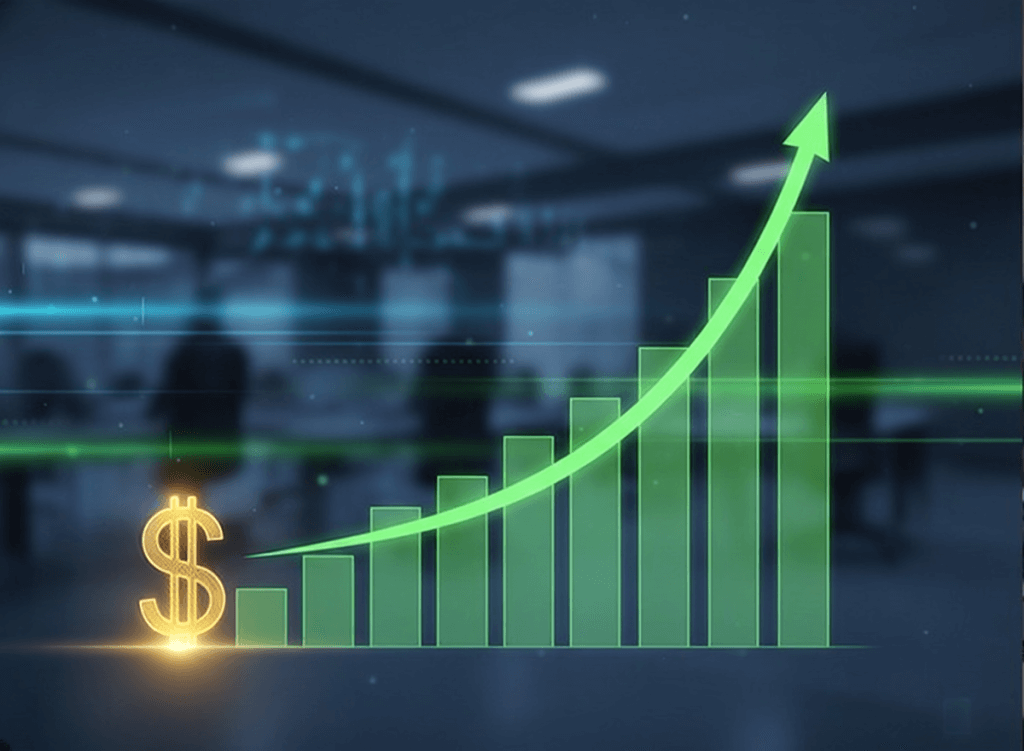
Channel Partners Drive the Majority of Revenue
For many B2B and tech companies, channel partners account for a significant share of revenue — in some cases, upwards of two-thirds of total sales. When these partners are motivated, informed, and rewarded well, end-to-end sales performance climbs.
Loyalty Builds Predictability Over Discounts
Traditional schemes like rebates and transactional bonuses often yield short-term sales spikes but don’t create sustained involvement or retention. In contrast, loyalty frameworks that reward consistent performance, milestone achievements, and non-cash recognition drive habit formation and long-term behavior change.
Personalization Equals Engagement
Brands now see up to 60% higher ROI when they craft role-specific, personalized loyalty programs instead of one-size-fits-all structures. This includes customized rewards for different partner personas (e.g., high potential but inactive dealers, strategic distributors, retail influencers).
How Channel & Dealer Loyalty Works — The Practical Flow
Let’s break this down into digestible, real-world steps:
Step 1 — Segmentation & Onboarding
Start by mapping your partner ecosystem:
- Tier by performance
- Classify by product mix
- Segment by sales velocity
This ensures rewards and goals are meaningful to each partner type.
Step 2 — Define Reward Triggers
Instead of rewarding only stock orders (sell-in), best-in-class programs reward actual sell-through and value-added behaviors:
| Trigger Type | What It Rewards | Why It Matters |
|---|---|---|
| Secondary sales | Actual product movement to end customers | Prevents artificial orders |
| Upsell/ cross-sell | Push higher-margin or priority SKUs | Improves profitability |
| Training completion | Partner upskilling | Boosts product knowledge |
| Market feedback | Real field insights | Improves future forecasting |
This shift toward performance-based incentives improves alignment and motivates genuine growth.
Step 3 — Engagement & Communication
High-impact programs leverage real-time dashboards, mobile interfaces, notifications, and regular campaign nudges to keep partners engaged — not just at launch, but continuously.
Step 4 — Rewards, Recognition & Redemption
Rewards are more than cash:
- Digital vouchers
- Travel incentives
- Premium merchandise
- Public recognition & certificates
Recognition alone, according to industry surveys, motivates over 90% of sales reps when included in partner programs — driving stronger participation.
The Human Side: Loyalty, CSR & Retention
Channel partner loyalty isn’t just economics — it’s emotional and human.
Partner Retention
By fostering stickiness, loyalty programs lower partner churn. When partners feel valued, appreciated, and fairly rewarded, they stick with your business longer, which lowers the expenses and risks associated with ongoing onboarding and partner turnover.
CSR and Meaningful Engagement
Modern incentives increasingly include sustainability and social value — eco-friendly rewards, community recognition, or CSR-linked incentives that resonate with partners’ values. According to recent research, over 60% of partners expect loyalty to include sustainability elements.
Employee & Partner Engagement
Companies that integrate loyalty into their employee and partner engagement strategies report better alignment between goals, improved training outcomes, and deeper trust across the ecosystem.
Top Trends Shaping Channel Loyalty in 2026
Here’s what industry insights predict will matter most:
ROI Over Retroactive Incentives
Brands are moving toward real-time ROI tracking vs. delayed incentive payouts. This means measuring partner performance continuously — not retroactively — for data-driven decisions.
Gamification and Habit Forming
Loyalty isn’t just about rewards — gamified milestones, leaderboards, and mission-based incentives are driving daily engagement, not quarterly.
Instant Digital Rewards
Expect real-time redemption through digital wallets, instant payouts, and simplified mobile experiences that eliminate friction and boost trust.
Data-Fuelled Decisions
First-party channel insights — captured through loyalty platforms — become strategic assets, enabling brands to prioritize territories, anticipate trends, and optimize SKUs.
How Novus Loyalty Helps Brands Win
At Novus Loyalty, we believe channel and dealer engagement is the new growth frontier. By combining advanced loyalty architecture, intuitive mobile engagement, and data-first insights, we help brands:
- Design multi-layered loyalty systems tuned to partner segments
- Boost partner activation and meaningful sales behaviors
- Reduce manual incentive friction with smart digital experiences
- Deliver real business insights that power better decisions
This isn’t about “points” — it’s about powerful ecosystem growth. And the results speak for themselves: stronger engagement, measurable sales acceleration, and long-lasting loyalty.
Wrapping Up
Brands that succeed in the years ahead will focus on developing strong, mutually supportive relationships with their channel partners. Building loyalty must be viewed not as an added benefit but rather as the driving force behind sustained sales increases, adaptability, and providing protection from competitive threats.
If you own, operate, distribute, or sell to retailers, creating and developing loyalty with your channel partners is an effective means of unlocking continual revenues, increasing your market share, and enhancing levels of trust with your channel partners.
If it’s done right, loyalty becomes your competitive edge — not a checkbox.
Explore Enterprise Loyalty
Manage large-scale loyalty programs with automation and insights.